

KA PILI KAI
Hawai‘i Sea Grant’s free biannual magazine celebrates the people and places across the Pacific region and our deep connection to all things related to the sea through vivid photographs and inspiring stories.
Subscribe to Ka Pili Kai Magazine
Or, email us at uhsgcomm@hawaii.edu to request a specific issue.
Support Ka Pili Kai by making a donation to Hawai’i Sea Grant.
RECENT KA PILI KAI ISSUES
Ka Pili Kai Kau 2024
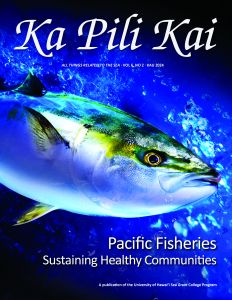
Click on the cover image to view the full issue. Fisheries are critical to the health and well-being of people throughout the Pacific Islands and world. In addition to their significant financial value, fisheries also offer nutritional and cultural benefits ...
Ka Pili Kai Ho‘oilo 2023
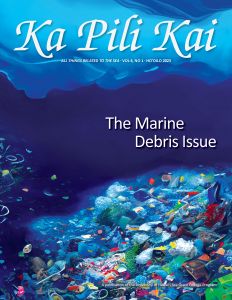
Click on the cover image to view the full issue. On the Cover The numbers are hard to envision— 8 million metric tons of plastics entering the ocean each year—but the result is something we’ve all experienced: plastics on the ...
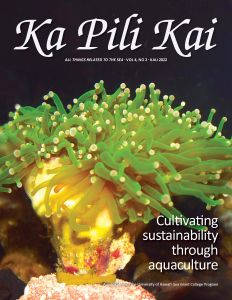
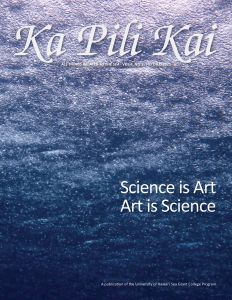
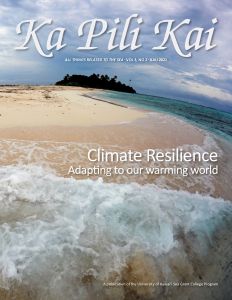
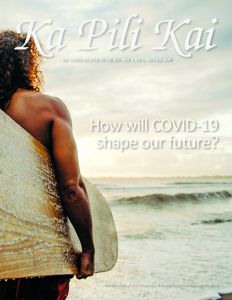
ALL KA PILI KAI ARTICLES AND ISSUES
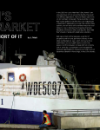
Hawaiʻi’s Tuna Market
by J. MattIn the 2023 run up to New Year’s Eve, Hawai‘i saw a bounty blow in from across the Pacific, the result of a difficult negotiation. The local fleet’s catch limit on ahi had been increased. There would be ...
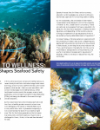
From Waves to Wellness
by Grace CajskiSteamed mullet, grilled opelu, ahi poke: local seafood is delicious. It constitutes 51 percent of all the seafood eaten in the state of Hawaiʻi. On average, individuals in Hawaiʻi consume almost 19 pounds of local seafood every year, ...
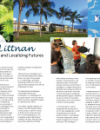
Charles Littnan: Sustaining Fisheries and Localizing Futures
by Alice Van VeenendaalNOAA’s Pacific Islands Fisheries Science Center has welcomed a new leader, Dr. Charles Littnan, whose path from Minnesota to the Pacific Islands speaks volumes about his dedication to marine biology and fisheries science. From jokes made in ...
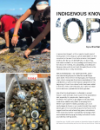
Indigenous Knowledge Can Save ʻOpihi
by Lurline Wailana McGregorIn pre-contact Hawaiʻi, a lūʻau meant a lavish meal of foods grown in the ahupuaʻa, which extended from the mountain to the sea. From the land came ʻuala (sweet potato), kalo (taro), ʻulu (breadfruit), niu (coconut), and ...
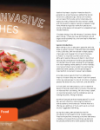
Eating Invasive Fishes
by Devin Reese Seafood has been a staple in Hawaiian diets for generations, since Polynesians settled the islands more than 1,000 years ago. Many communities across Hawai‘i fish locally and commercially, and restaurant menus feature fish that are both native ...
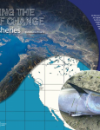
Navigating the Waves of Change in Pacific Fisheries
by Natasha VizcarraOn the morning of July 11, 2023, marine wildlife veterinarian Dr. Joe Gaydos stood in front of a beautiful, six-foot-long fish that had washed up on Crescent Beach, Orcas Island. Its body was torpedo-shaped, and its skin was ...
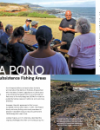
Lawai‘a Pono Community-based Subsistence Fishing Areas
by Breanna RoseNative Hawaiian fisherman Uncle Mac Poepoe witnessed the decline in fish for decades at Moʻomomi, on Molokaʻi, where he grew up fishing. Poepoe turned his concern into action, and galvanized a community-led movement. In the 1990s, Poepoe spearheaded ...
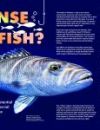
License to Fish? Pros and Cons of a Potential Resident Non-Commercial Marine Fishing License
by Josh McDanielThe health of fisheries is vital to the marine environment, economy, and culture of Hawaiʻi. Subsistence fishing also plays an outsized role in food security for many who live in the state. In a recent NOAA survey of ...
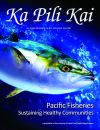
Ka Pili Kai Kau 2024
Click on the cover image to view the full issue. Fisheries are critical to the health and well-being of people throughout the Pacific Islands and world. In addition to their significant financial value, fisheries also offer nutritional and cultural benefits ...
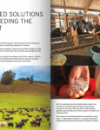
Seaweed Solutions for Feeding the Planet
by Cary DeringerTo increase future sustainable food production while reducing methane emissions, scientists are turning to the ocean, specifically seaweed, for answers. Food production needs will have to double to feed nearly ten billion people by 2050. However, production of protein-rich foods ...
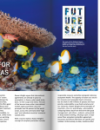
Hope For The Seas
by Liz ColeyIf “developing solutions to monitor, protect, manage, and restore” ocean ecosystems sounds like a challenge the human species is unprepared to face, author Deborah Rowan Wright offers good news in Future Sea: How to Rescue and Protect the World’s Oceans. Her treatment of the subject ...
Haunting the Northwestern Hawaiian Islands
by Damond BenningfieldGhosts haunt the Northwestern Hawaiian Islands. They glide in with the currents and tides, from all around the North Pacific Ocean. They destroy coral reefs and ensnare seals, sea turtles, and other endangered animals. They foul the beaches, present a hazard to boats, ...
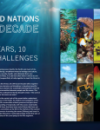
10 Years, 10 Challenges: Innovative Ocean Science Solutions in the Pacific
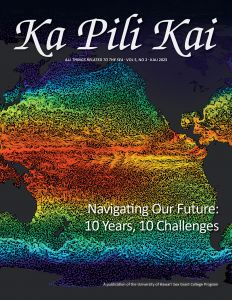
by Rayne SullivanWith worsening ocean health, the Pacific and much of the world are facing a multifront threat to heritage and culture, livelihoods, security, health, and ultimately their very existence. In Palau, it is said that when there is threat to one mesekuuk (surgeonfish), ...
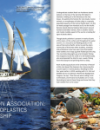
Sea Education Association: Studying Microplastics Aboard a Tall Ship
by Mallory HoffbeckUndergraduate student Noah van Aardenne stands lookout on the bow of the tall ship SSV Robert C. Seamans, holding on to the forestay as the ship tosses. He watches the horizon for rain clouds, marine animals, or rare ...
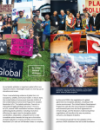
Act Local, Act Global
by Lurline Wailana McGregorWhen the last of its four counties implemented laws to ban plastic bags from store checkouts in 2021, Hawaiʻi became the first in the nation with a full statewide ban. Since then, the City and County of ...
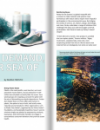
Supply, Demand, and our Sea of Debris
by MARIA FROSTICWith the ocean on track to teem with more plastic than fish by the year 2050, marine debris is making waves in local and global economies. Damage from marine litter on the global marine economy was estimated at ...

Paving the Road, from Cleanup to Repurposing
by Mark MarchandThere’s an “all hands on deck” effort underway to understand and counter the growing issue of derelict fishing nets and other plastic debris washing up on Hawaiʻi’s shores and reefs, and in its harbors. Organizations and individuals—environmentally conscious ...
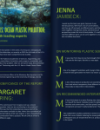
Getting to the Bottom of U.S. Ocean Plastic Pollution: a Conversation with Leading Experts
by Tess JoosseThe United States uses and discards the most plastic in the world, churning out a whopping 42 million metric tons each year. Despite this distinction, as recently as 2020 the full scale of the U.S.’s contribution to ocean ...
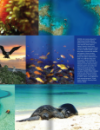
Preserving a Precious Place
by Libby LeonardThe Kumulipo, the Hawaiian creation chant, describes the area of Papahānaumokuākea as the realm of Pō, where life springs from a single coral polyp, and where spirits return upon death. Papahānaumokuākea got its name in 2007 from two ...
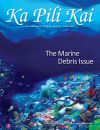
Ka Pili Kai Ho‘oilo 2023
Click on the cover image to view the full issue. On the Cover The numbers are hard to envision— 8 million metric tons of plastics entering the ocean each year—but the result is something we’ve all experienced: plastics on the ...

Ka Pili Kai Kau 2023
Click on the cover image to view the full issue. On the Cover Welcome to our latest issue, dedicated to the United Nations Decade of Ocean Science for Sustainable Development. Through this initiative, the world's attention is focused on the ...
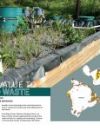
Adding Value to Island Waste
by Stacy KishDespite the best efforts to contain it, untreated waste from the 88,000 cesspools in Hawai‘i escapes the confines of the system, polluting coastlines and endangering marine life and coral ecosystems. When treated properly, much of the wastewater is ...
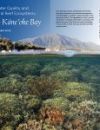
Restoring Water Quality and Bringing Back Coral Reef Ecosystems: Lessons from Kāneʻohe Bay
by Abbey SeitzOver the past century, wastewater, stormwater, and other pollutants from land and development have damaged our islands’ coastal ecosystems and nearshore waters. This degradation is due in part to the islands’ increasing urbanization coinciding with global warming. Given ...
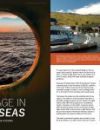
Sewage in the seas
by Natasha VizcarraIt’s easy to get lost in the weeds finding out how to empty that portable 5-gallon toilet at the back of the boat. A simple Google search turns up a messy list of how-to videos, along with state ...
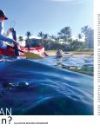
How Clean is Clean?
by Lurline Wailana McGregorBefore the Clean Water Act of 1972 became law, most of the agricultural wastewater and sewage from the Kaʻanapali coast on Maui, Hawai‘i was treated to remove only solids before being piped out into the ocean. After ...
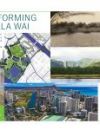
Transforming the Ala Wai
by Josh McDanielFew of the millions of tourists who flock to the sparkling beaches of Waikīkī are aware that the area was once a vast estuary fed by three streams, Makiki, Mānoa, and Pālolo, which plunged from the steep slopes ...
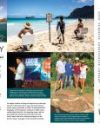
Making #2 a #1 Priority
by Kate FurbyStuart Coleman loves potty humor. But unlike the rest of us, he has a work excuse. And while not all of his puns are suitable for print journalism, suffice it to say that he approaches his work on ...
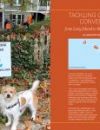
Tackling Cesspool Conversion from Long Island to the Hawaiian Islands
by Shannon KelleherAs Hawai‘i prepares to carry out a massive overhaul of its numerous cesspools by 2050, the state finds itself in a quandary — waste treatment is expensive, and homeowners’ pockets only run so deep. “This is one of ...

Wanted: Wastewater Wins
by Robin Donovan“It’s not a million-dollar question; it’s a billion-dollar question,” says Sina Pruder of Hawaiʻi’s cesspool conversion challenge. As an engineering program manager for the State of Hawaiʻi Department of Health’s (DOH) wastewater branch, Pruder has faced a daunting ...
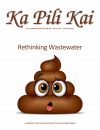
Ka Pili Kai Ho‘oilo 2022
Click on the cover image to view the full issue. On the Cover Magazine covers are meant to inspire the reader to pause and reflect on the transformative potential of an issue’s contents. Through what they bring into focus, they offer a scaffold ...
IN THIS SECTION
Hawaiʻi Sea Grant Resources