

Drivers and dynamics of emerging contaminants in urban island aquatic systems
PRINCIPAL INVESTIGATOR: Aurora Kagawa-Viviani
Co-INVESTIGATORS: Juhee Kim, Emily Marron, Donn A. Viviani
Graduate fellow: Rami Tommalieh
Research Track: Contaminants of Emerging Concern
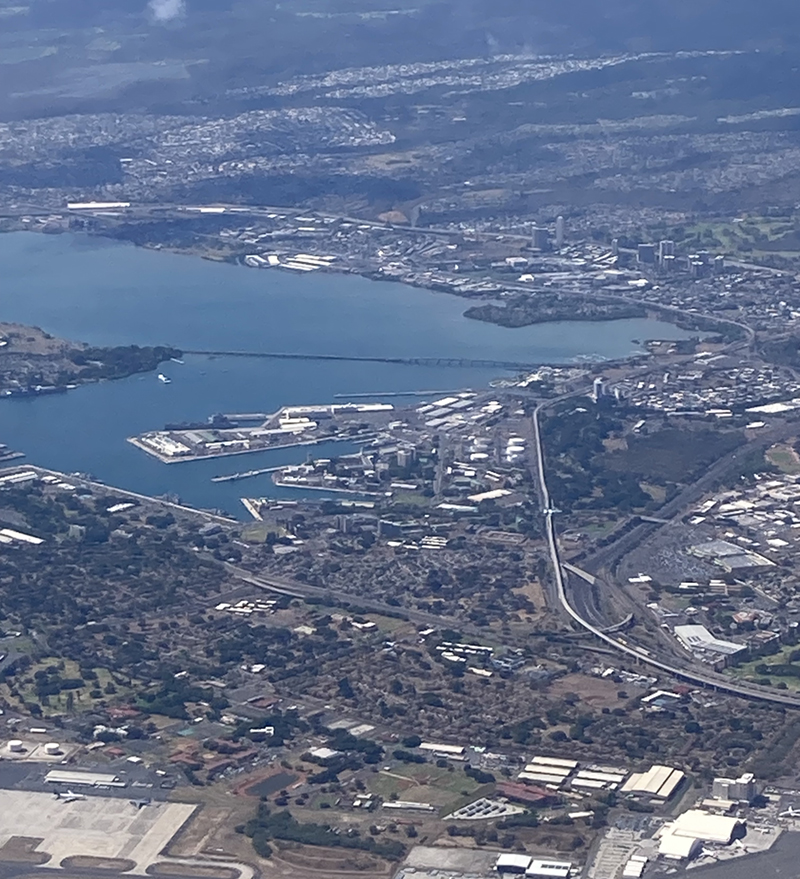
On the island of Oʻahu, public interest in groundwater surged following major contaminant releases at Red Hill. Concerns around PFAS in particular have been mounting as detections in Hawaiʻi’s public water systems have been on the rise since PFAS monitoring was mandated in 2024. In Hawaiʻi, 16 cases of PFAS detections in drinking water systems have been reported to the Hawaiʻi Department of Health (HDOH) since 2020. There is a need to characterize PFAS occurrences and point sources and pair these with hydrologic information to address critical gaps in understanding of PFAS fate across Oʻahu’s urbanized and complex hydrogeologic setting.
This project’s aim is to clarify relationships between land management practices and PFAS occurrence on Oʻahu. This study will fill in a major gap of understanding PFAS in coastal systems by establishing a baseline characterization of PFAS contaminants in coastal groundwaters and select surface waters across the Pearl Harbor, Central, and North aquifer sector areas of Oʻahu. It also includes systematically mapping PFAS distribution across Oʻahu’s major aquifers and identifying potential contamination hotspots, using a community-engaged, collaborative, and integrated research/outreach approach.